Quality Electrical Contractor Services for Efficient, Safe, and Modern Systems
Reliable electrical contractor services fulfill an important role in sustaining safe and productive electrical systems. These specialists are qualified to perform installations, repairs, and evaluations with skill. Their commitment to safety protocols confirms that both residential and commercial spaces remain danger-free. Still, many ignore the necessity of retaining licensed contractors. Understanding the potential risks and benefits can greatly impact the longevity and performance of electrical systems. What key considerations should one examine when picking an electrical contractor?
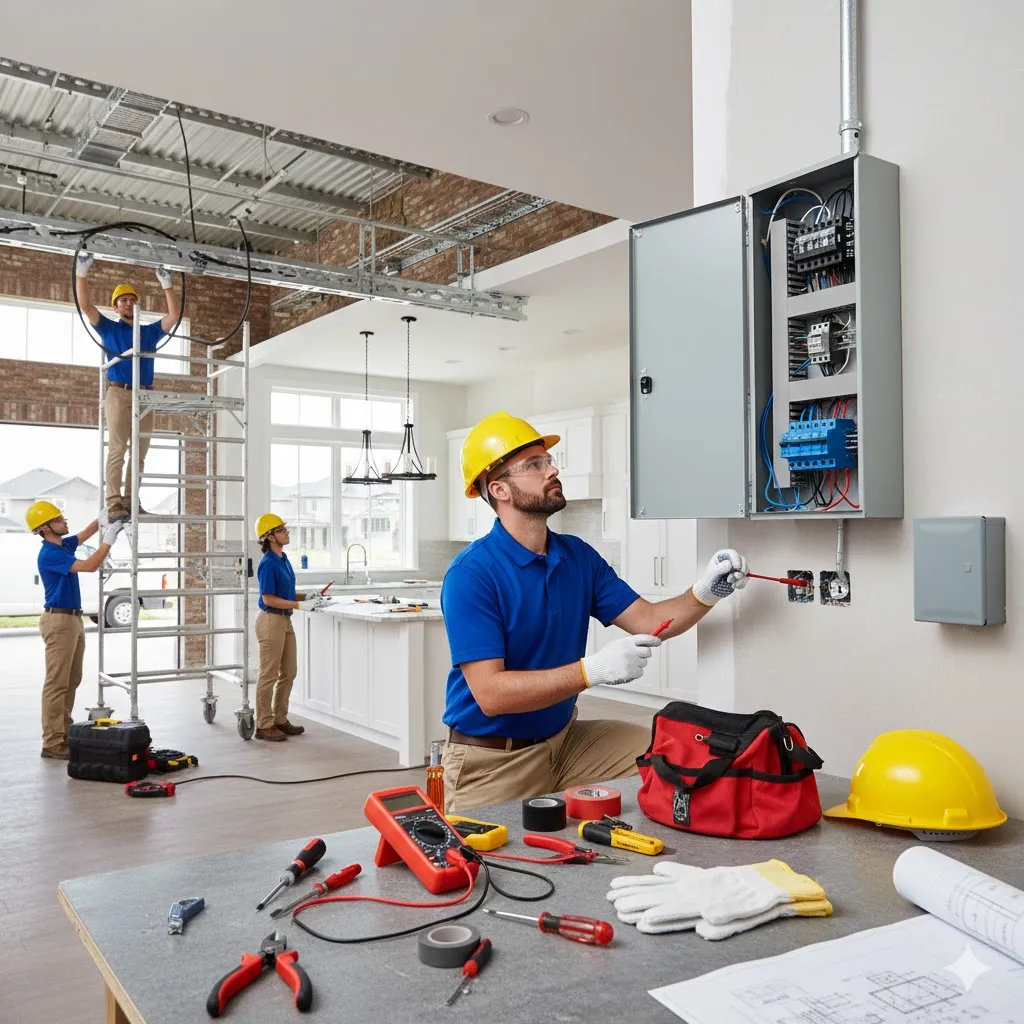
The Perils of Not Using a Licensed Electrical Contractor
Many home owners don't realize the possible dangers associated with hiring unlicensed electrical contractors. These individuals often lack the essential training and experience, leading to poor-quality work that can create major safety concerns. Without appropriate credentials, there is no certainty that the contractor follows local electrical codes, which are created to protect both the property and its occupants.
In addition, unlicensed contractors may not carry sufficient insurance, leaving homeowners exposed to financial risk in the event of an accident or damage. Badly done electrical work can lead to hazardous conditions such as electrical fires, shock hazards, or equipment background information failure.
Moreover, employing unlicensed contractors can complicate future home sales or renovations, as most buyers and financial institutions need proof of licensed work. In the end, the risks involved demonstrate the critical nature of selecting qualified professionals for electrical services. Homeowners should prioritize safety and compliance by engaging licensed electrical contractors.
Maintaining Safety in Your Property and Business
Ensuring safety in residential and commercial properties requires a proactive approach to electrical systems. Consistent safety inspections, adherence to modern wiring standards, and the implementation of emergency preparedness plans are critical components. These measures not only safeguard property but also ensure the welfare of inhabitants and workers.
Periodic Safety Inspections
Scheduled safety inspections are crucial for upholding the integrity of electrical systems in both residential properties and businesses. These inspections allow qualified electrical contractors to discover potential hazards, such as defective wiring, outdated circuits, or overloaded systems, before they turn into serious issues. By carrying out routine assessments, contractors verify compliance with safety regulations and provide peace of mind for property owners. Inspections also work to prolong the lifespan of electrical systems, ultimately reducing repair and replacement costs. Moreover, they improve energy efficiency by identifying areas where improvements can be made. In summary, regular safety inspections are a critical component of responsible electrical management, securing lives and property while boosting the overall performance of electrical systems.
Modern Wiring Codes
As technological innovation progresses, maintaining compliance with modern wiring standards is increasingly important for both residential and commercial properties. These standards are created to improve safety, efficiency, and reliability in electrical systems. They include guidelines for wire sizing, insulation types, and installation techniques to avoid hazards such as short circuits and electrical fires. Moreover, modern standards account for increased power demands from contemporary appliances and devices, ensuring that wiring can manage higher loads without risk. Following these standards not only safeguards occupants but also aligns with legal regulations, decreasing liability for property owners. Engaging qualified electrical contractors knowledgeable about current codes can confirm that wiring installations meet these essential standards, establishing a secure environment for everyday activities.
Crisis Preparedness Plans
When emergencies strike, possessing a properly organized preparedness plan can help guarantee the safety of both home and business environments. Effective emergency preparedness plans should include thorough protocols for diverse circumstances such as power outages, electrical fires, or severe weather events. These plans generally contain clear evacuation routes, designated assembly points, and copyright information. Regular practice drills and drills can ensure occupants with the procedures, thereby improving safety. Furthermore, integrating modern electrical systems with backup power solutions can maintain continued functionality during crises. By emphasizing these elements, individuals and businesses can minimize risks and protect their assets, thereby fostering a safer environment for all.
Vital Services Offered by Quality Electrical Contractors
An array of essential services are delivered by quality electrical contractors, securing safety and efficiency in residential and commercial projects. These professionals offer expert installation and maintenance of electrical systems, which includes wiring, circuit breakers, and lighting fixtures. They complete thorough inspections to pinpoint potential hazards and verify compliance with local codes and regulations.
Professional electrical contractors additionally focus on troubleshooting and repairing electrical issues, quickly addressing problems to minimize downtime. They provide essential upgrades, such as installing energy-efficient lighting and smart home systems, enhancing the functionality of properties.
Moreover, their knowledge extends to emergency services, supplying prompt assistance during power outages or electrical failures. By focusing on safety and reliability, quality electrical contractors play a essential role in maintaining modern electrical systems, ultimately contributing to the overall efficiency and satisfaction of their clients.
How Power-Efficient Electrical Systems Lower Your Bills
Energy-saving electrical solutions significantly lower utility costs while supporting sustainability. By using modern technologies such as LED lighting, high-efficiency appliances, and smart thermostats, homeowners and businesses can significantly reduce their electricity consumption. These solutions not only decrease energy bills but also improve the overall comfort of living and working spaces.
In addition, the adoption of energy-efficient systems can lead to notable long-term savings. For example, upgrading to Energy Star-rated appliances can generate savings of up to 30% on energy consumption compared to standard models. Also, many utility companies present rebates and incentives for embracing energy-efficient practices, further reducing initial costs.
Investing in energy-efficient electrical solutions also boosts property value, as potential buyers often seek homes with lower operating costs. Collectively, these measures represent a wise financial decision that supports environmental responsibility and contributes to a greener future.
How to Integrate Smart Home Technology With Electrical Services
In what ways can homeowners smoothly integrate smart home technology into their present electrical systems? First, they should assess their current electrical infrastructure to verify compatibility with smart devices. It is essential to identify the necessary upgrades, such as installing smart switches, outlets, and hubs that can enable communication between devices. Homeowners may also consider adding a central control system, permitting them to oversee multiple devices from a single platform.
Next, enlisting a qualified electrical contractor is necessary for proper installation and integration. These professionals can confirm that the electrical system can handle the increased load from smart devices while conforming to safety regulations. Furthermore, homeowners should give priority to wireless technology options to limit invasive rewiring. As a final step, regular maintenance checks can improve system performance and longevity, making certain that all devices function smoothly within the household. By executing these steps, homeowners can create a up-to-date, effective, and safe smart home environment.
Key Qualities of an Skilled Electrical Contractor
While selecting an electrical contractor, industry experience and strong communication skills are essential qualities to take into account. An experienced contractor not only brings technical expertise but also delivers clear interaction throughout the project. These factors contribute to a successful and efficient electrical service experience.
Professional Industry Expertise Counts
Expertise is a fundamental quality that distinguishes an experienced electrical contractor in a competitive industry. Such contractors possess a deep understanding of electrical systems, regulations, and safety protocols obtained from years of hands-on work. Their extensive experience permits them to troubleshoot complex issues efficiently, minimizing downtime and ensuring the safety of installations. Moreover, they stay updated with the latest technologies and industry trends, allowing them to recommend modern solutions that enhance system performance. An experienced electrical contractor also exhibits a track record of successful projects, which instills confidence in clients regarding their capabilities. Ultimately, the combination of technical knowledge and practical experience enables these experts to deliver high-quality services designed to address diverse client needs.
Strong Communication Skills
Effective communication serves as a cornerstone for any successful electrical contractor. Excellent communication capabilities empower contractors to relay complicated technical data effectively to clients, confirming that objectives are harmonized and grasped. This skill is essential during project discussions, where the contractor must express schedules, expenses, and possible obstacles clearly. Moreover, a contractor's skill in attentive listening promotes a team-oriented setting, allowing for better problem-solving and client satisfaction. Through sustaining transparent communication channels with crew members, contractors can ensure that all parties share mutual understanding, minimizing misunderstandings and errors. Ultimately, strong communication skills not only enhance project execution but also build trust and rapport with clients, supporting the contractor's image and enduring achievement in the sector.
Tips for Managing Your Electrical System for Long-Term Performance and Efficiency
Preserving an electrical system is crucial for securing its lifespan and effectiveness. Regular inspections by a licensed electrician can identify potential issues before they intensify, ensuring safety and operation. Homeowners should also examine for frayed wires and loose connections, as these can result in hazards or performance issues. Keeping circuit breakers and outlets clean and free from dust helps sustain maximum performance. Additionally, it is advisable to avoid overloading circuits, which can cause overheating and damage. Using low-consumption appliances and lighting can further enhance system efficiency and reduce energy costs. Finally, scheduling periodic maintenance and upgrades as needed will confirm the electrical system remains current and capable of handling existing demands. By following these tips, individuals can extend the longevity of their electrical systems while ensuring safe and effective operation.
Common Questions
How Do I Choose the Right Electrical Contractor for My Project?
To choose the right electrical contractor, one should verify credentials, read customer feedback, assess qualifications, obtain several quotes, and check references. Establishing clear communication and understanding project needs are also essential for a effective partnership.
What Will Happen During an Electrical Service Consultation?
Throughout an electrical service consultation, expect a comprehensive assessment of your needs, discussion of potential solutions, estimates on costs, timelines, as well as opportunities to ask questions about safety and system efficiency.
Are Warranties Included with Electrical Services?
Yes, many electrical services offer warranties. Such warranties generally include coverage for workmanship and parts, assuring that clients receive quality service. It is prudent to request information regarding specific terms and periods before beginning any electrical work.
What Steps Should I Take to Verify an Electrician's Qualifications and Experience?
To validate an electrician's credentials and experience, one should check their licensing status, get references, and read customer testimonials. In addition, online platforms can provide insights into their professional background and previous work quality.
What Are Frequent Signs That My Electrical System Requires Professional Service?
Standard warning signs showing a need for professional assistance include frequent circuit breaker trips, flickering light fixtures, burning smells, discolored outlets, and unusual noises. These warning signals suggest underlying issues that require an electrician's expertise to maintain safety and functionality.